
Hialeah Park Rumors Warrant Caution, Diligence
BY STEVE KOCH
Industry whispers describe a partnership to reactivate Hialeah Park and sooner abandon Thoroughbred racing at Gulfstream Park. Meanwhile, decoupling legislation born in the Florida House is now headed to the Senate, where companion language would let pari-mutuel operators lease facilities across breed classes, the mechanism that could make relocation happen.
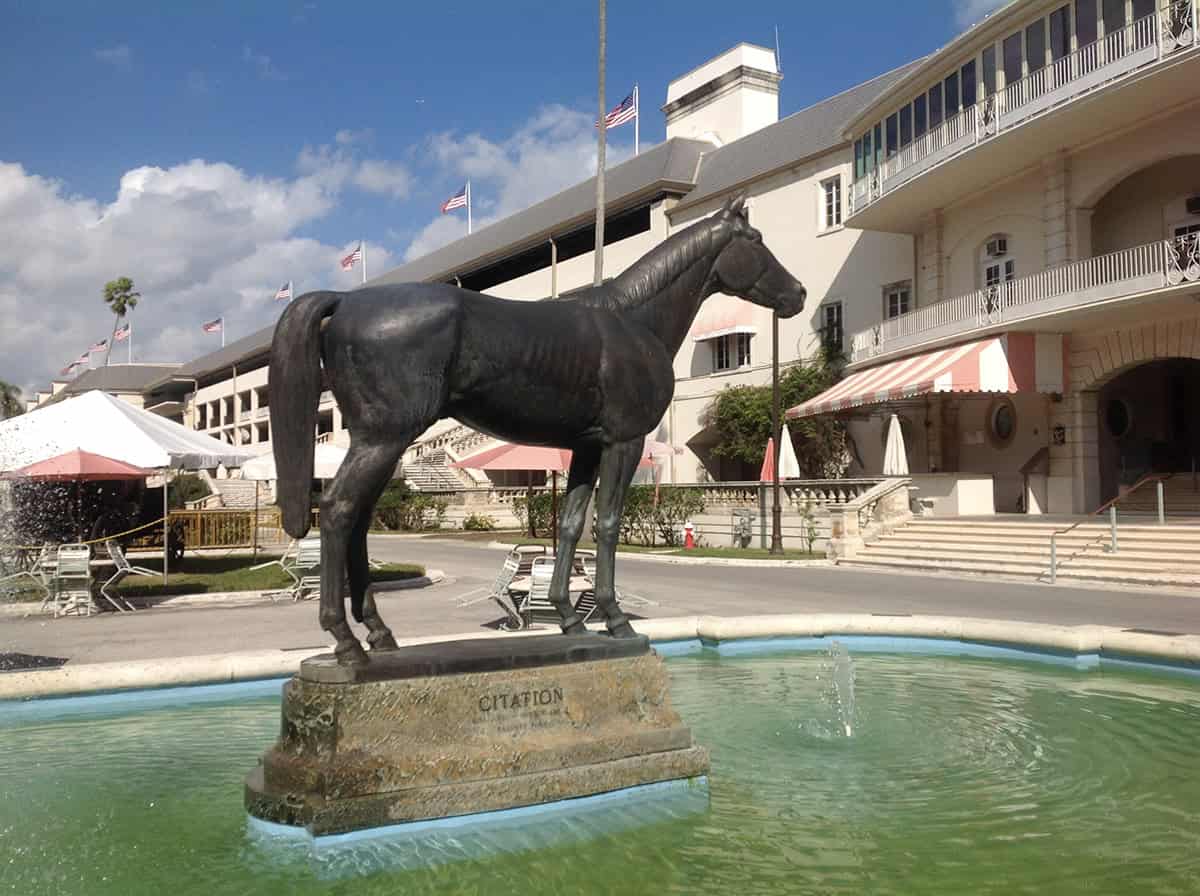
The narrative is seductive: the storied flamingos, the echoes of Citation and Seabiscuit. But nostalgia is not a business plan.
In times of uncertainty, the instinct is to reach for the nearest tangible option. That instinct is already shaping the conversation. The Thoroughbred Daily News this week floated Hialeah Park as “the perfect solution.” But even FHBPA president Tom Cannell, who called it “a beautiful venue,” posed the question that unravels the premise: “You could build the finest facility in the world, but how do you fund it? Where does the purse money come from?”
That funding question deserves an honest answer for every option on the table, including Hialeah. The Brunetti family’s decoupled slots revenue belongs to their casino operation, and they have no incentive to share it. The industry cannot afford to project its hopes onto a facility whose ownership isn’t even in the conversation.
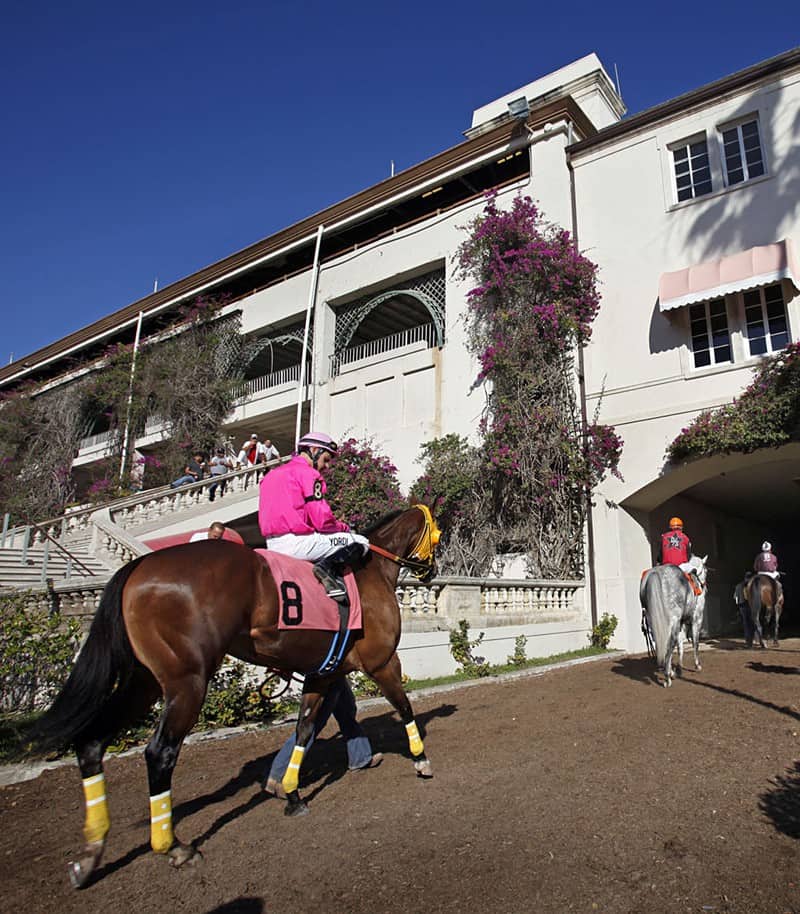
Hialeah Tunnel – ©Coady
There is a more sophisticated version of the argument: that a decoupled track could voluntarily continue funding purses at a leased facility. But decoupling, by definition, severs that obligation. Any post-decoupling purse arrangement would be discretionary and terminable — not a funding model anyone can build a breeding program around.
A 40-to-50-day meet cannot fill fields with sun-seeker ship-ins alone. Resident Florida-breds account for more than one-third of South Florida’s winter entries; without year-round racing, they relocate. The starting gate is barren and quality spirals. Diminished stakes program, no Pegasus, no glamour.
The danger in moments like this is reaching for what is available rather than insisting on what is best. A venue with no barns, no training center, no purse funding, a decoupled owner and few runners may look like a lifeline. It is not. At best, a holding pattern. At worst, managed decline under the appearance of continuity.
The Legislative Landscape
Hialeah Park surrendered its Thoroughbred permit to the state in 2004 and now holds a Quarter Horse permit, which under current law caps Thoroughbred races at 50% of any racecard. A full Thoroughbred meet requires an outside permit.
Later today, the House is expected to pass CS/CS HB 881, as amended by the Commerce Committee’s strike-all, which stripped out all leasing, permit transfer, and relocation provisions. It is now a straight, immediate decoupling bill with no mechanism to move racing anywhere.
In the Senate, SB 1564 would provide that mechanism, broadening which facilities can be leased, to whom, and without voter approval. These provisions could resurface through conference or amendment at any stage.
The House has spoken. The Senate remains open.
Florida’s competitive advantage is not constrained to a single Miami-Dade zip code. It is a statewide ecosystem: Ocala’s breeding farms and training centers, the OBS sales company, winter training colonies, and a $3 billion agricultural industry. Protecting that ecosystem starts with decoupling vigilance, followed by patient insistence on a three-part test for every racetrack alternative: sustainable funding, race dates and purse viability, and willing partnerships.
Hialeah Park is a monument to a glorious era that ended. The flamingos remain. The fundamentals to support racing likely do not.
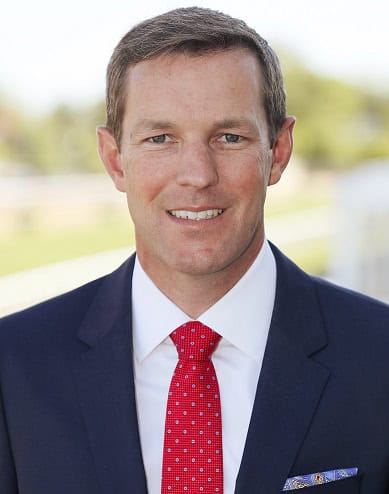
Steve Koch
Steve Koch is Administrative Vice President and industry economist for the Florida Thoroughbred Breeders’ and Owners’ Association.
Return to the February 14 issue of Wire to Wire