BY JENNIE REESE, NATIONAL HBPA COMMUNICATIONS (Edited)
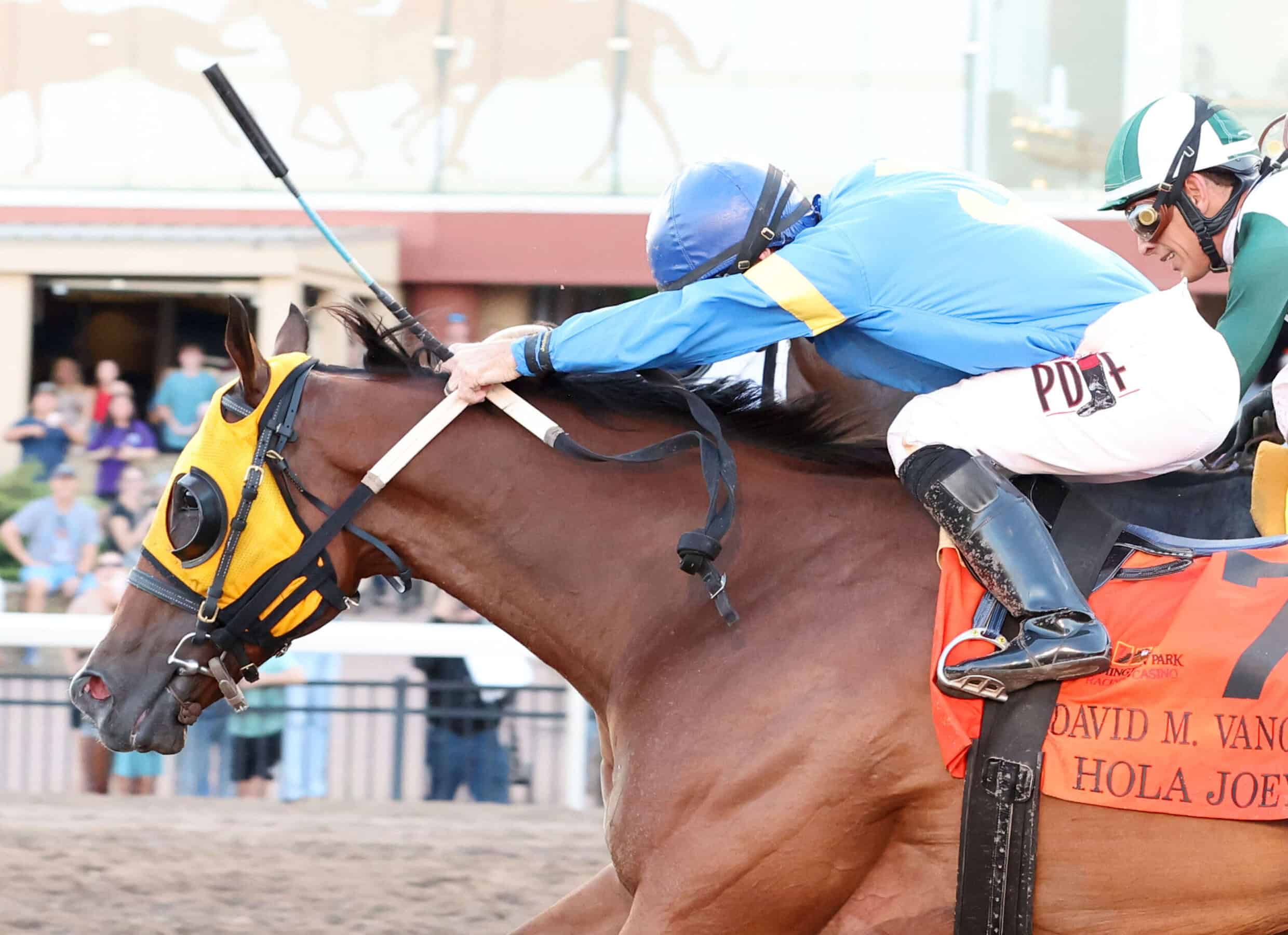
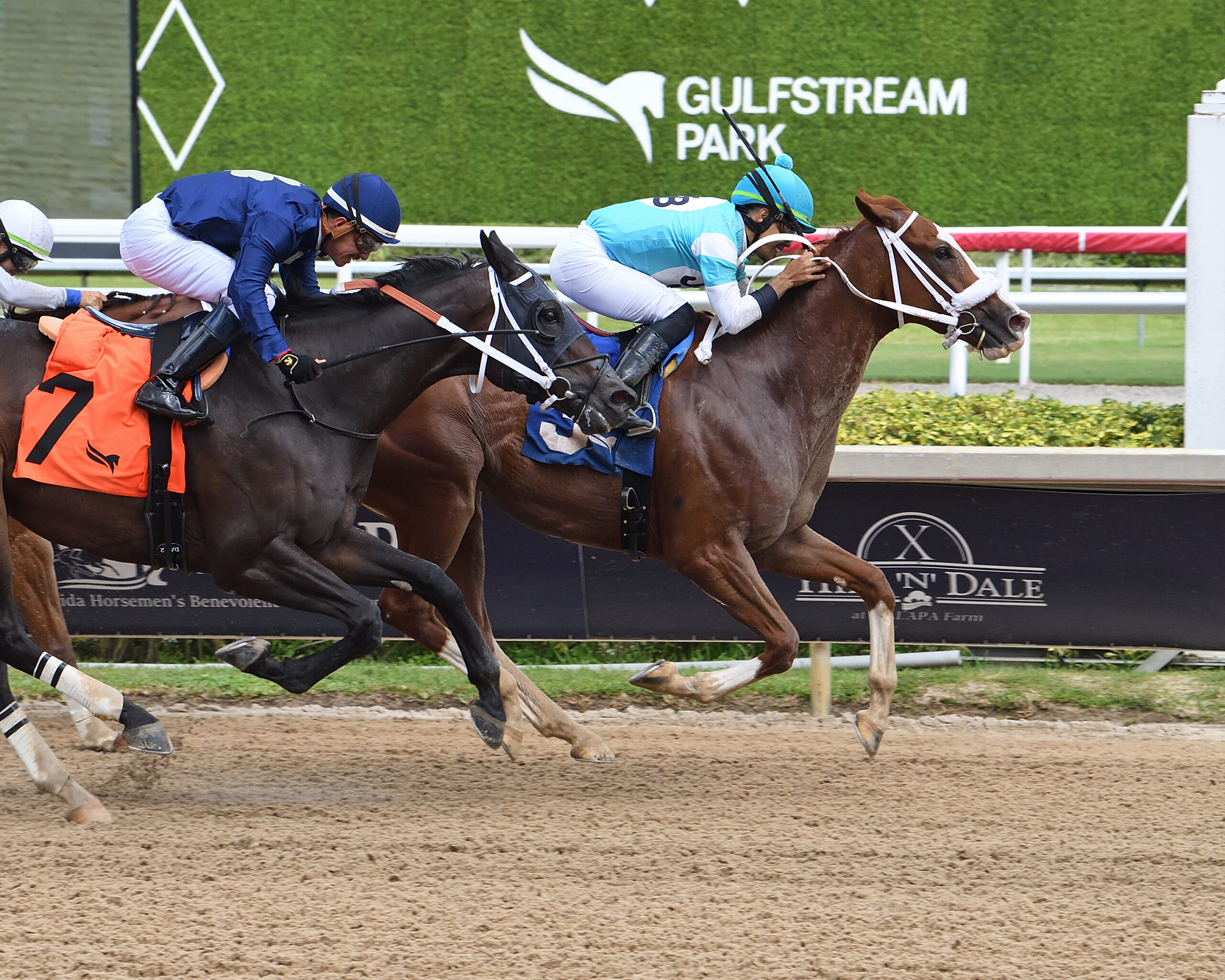
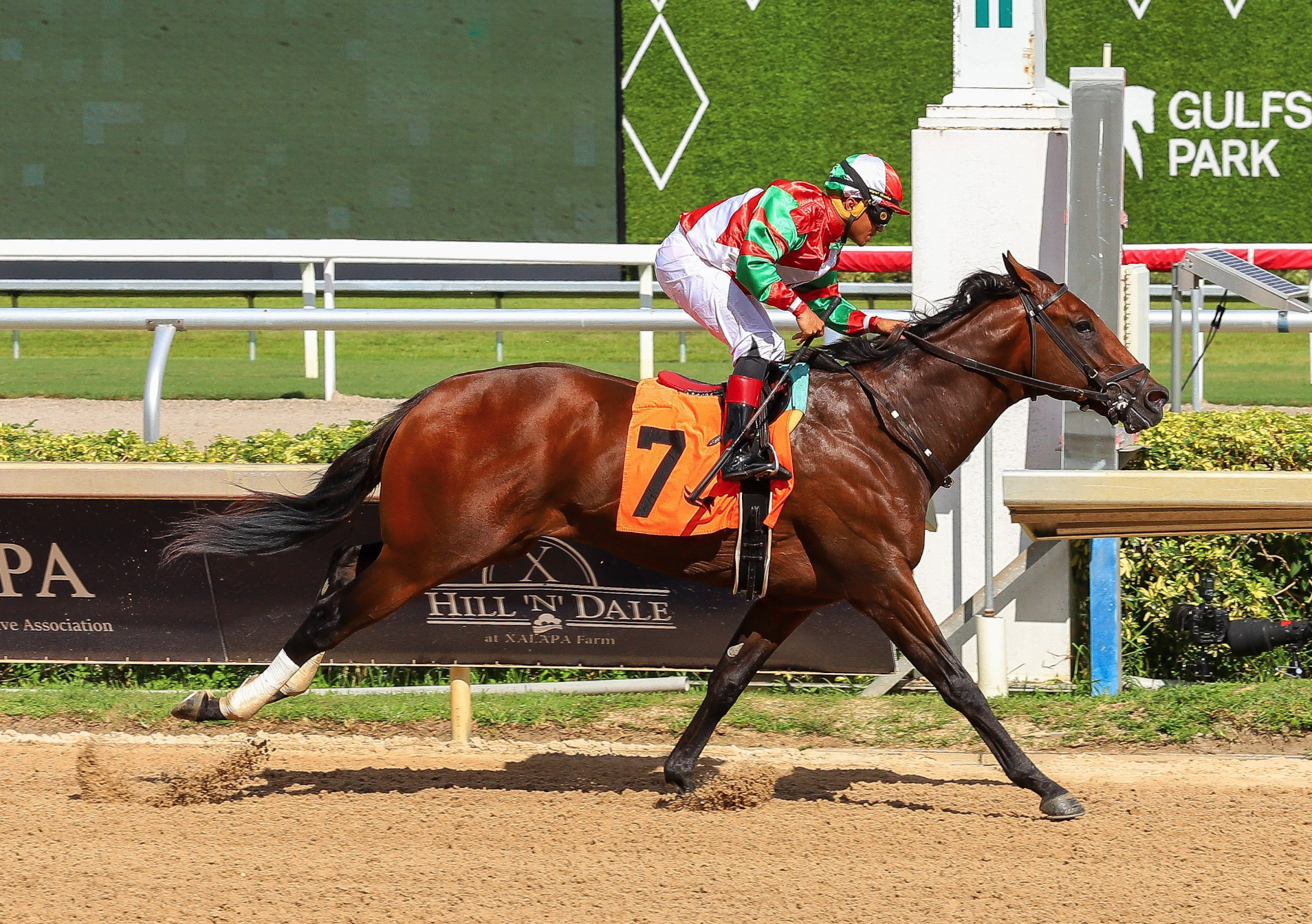
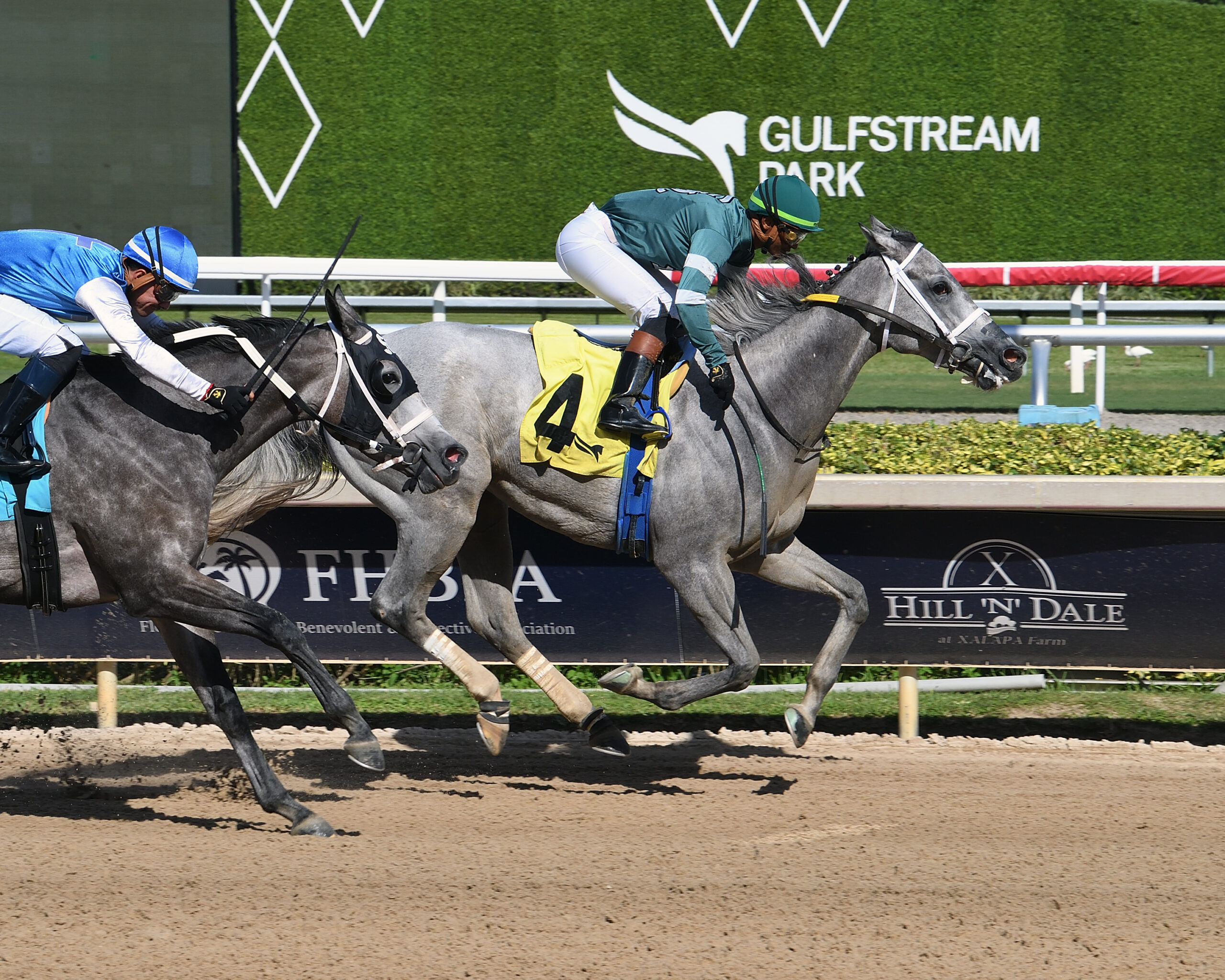
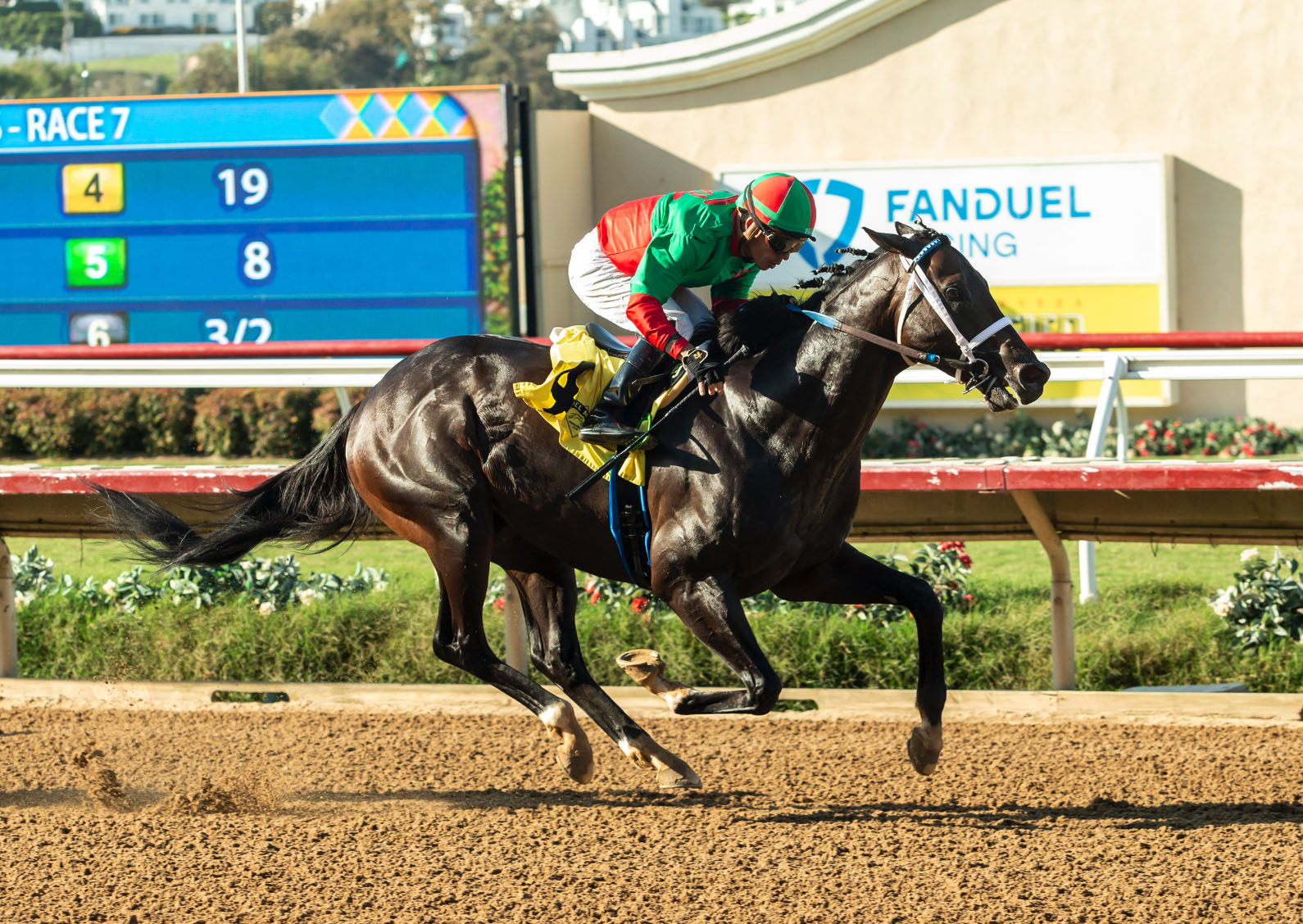
HOT SPRINGS, AR—If corporate owners no longer want live horse racing — as appears the case at Gulfstream Park, with Belinda Stronach so far unsuccessfully seeking decoupling legislation that would allow her to keep the track’s slots license without the current mandate of running races — maybe a solution is to have horsemen own the tracks.
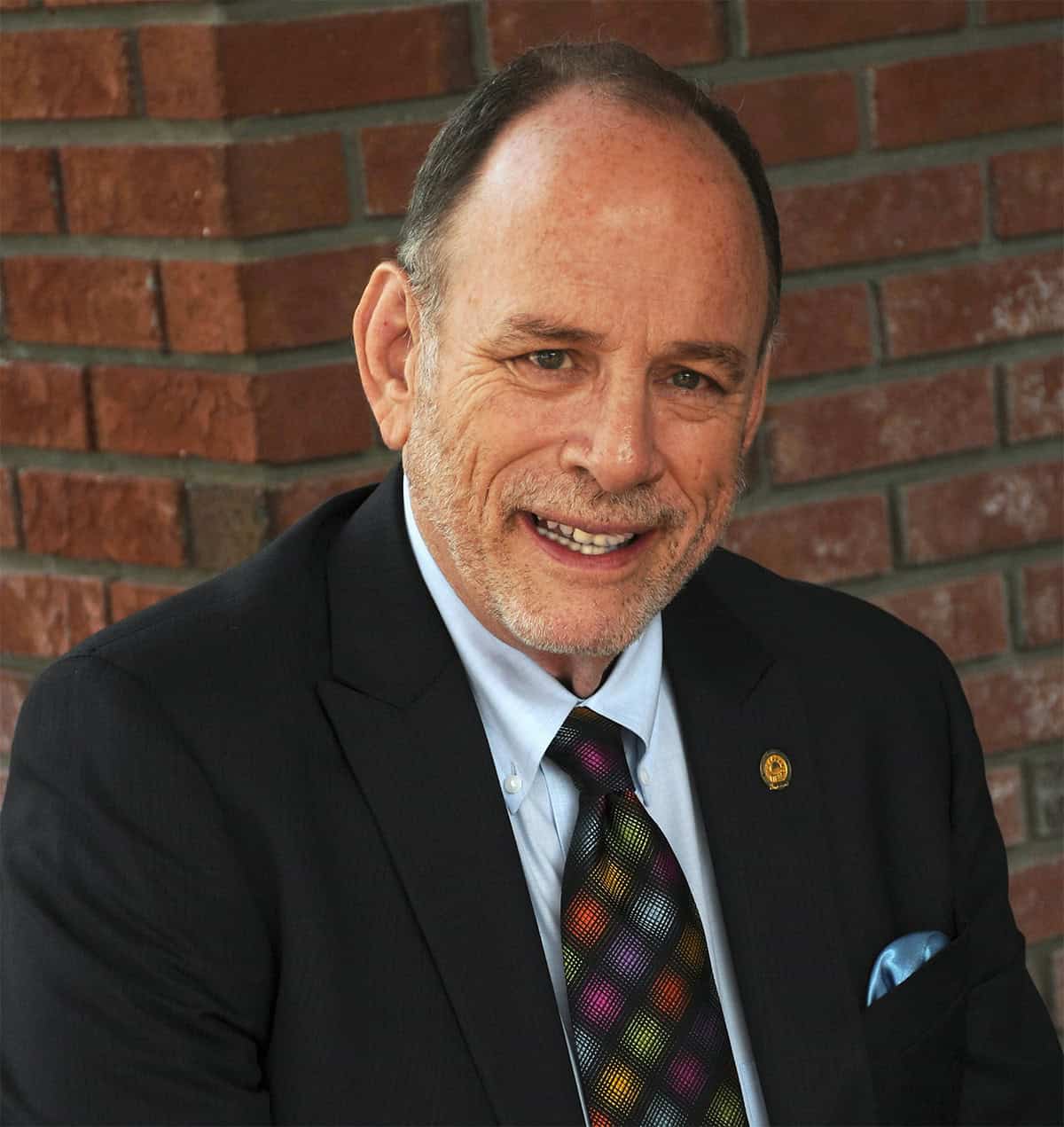
That was addressed by Lonny Powell, president and CEO of the Florida Thoroughbred Breeders’ and Owners’ Association, during the National HBPA Conference panel titled “Reimagining Racetrack Ownership: A Future Led by Horsemen and Participants.”
Powell said he is not optimistic that live racing will survive in South Florida.
“We can no longer ride with this Toronto group,” Powell said of Gulfstream Park’s ownership. “We hope they last as long as they can, but boy, you can’t plan your future there.”
He reiterated that the FTBOA possesses a permit for a nonprofit racetrack in Ocala and that he has enlisted a pair of advisors to help formulate an economically viable plan for a new track.
“That’s the direction we’re going to go to try to address our industry’s future,” Powell said. “We have a plan, we have some thoughts, but I hope in another year or so I get to tell you some more details.”
Horsemen in Nebraska have addressed a similar challenge.
Nebraska racing was in dire shape after the 1995 closure of the popular Ak-Sar-Ben racetrack, which was sold to the county. Today the Nebraska HBPA owns two racetracks and partners with the Winnebago Tribe for a casino at each. The result is Horsemen’s Park in Omaha and Legacy Downs in Lincoln, both featuring a WarHorse Casino.
Lynne McNally, CEO of the Nebraska HBPA, didn’t gloss over the challenges involved, but said a key was to get protective legislation.
“We’ve been able to really revitalize the racing industry in Nebraska,” McNally said. “The one direction the board of directors gave me was make it impossible — or at least super, super hard — to decouple. We specifically put in the constitution that it [casino gaming] has to be at the track. And we put in our development agreement that if we get divorced from our partner, they’re moving out and we’re keeping the house.”
When Colonial Downs closed in 2014, then-Virginia HBPA Executive Director and general counsel Frank Petramalo helped lead the push to get back live racing with the formation of the Virginia Equine Alliance. The non-profit’s four equal shareholders were the Virginia HBPA, the Virginia Thoroughbred Association (the breeders), the Virginia Harness Horse Association and the Virginia Gold Cup Association (steeplechase). The entity got statutory approval for source-market fees from the internet betting platforms operating in the commonwealth. The legislation also allowed the alliance to run the off-track betting facilities.
Colonial Downs not only reopened after five years of dormancy — subsequently being purchased by Churchill Downs Inc., in 2022 — but is one of racing’s recent success stories, with its chain of historical horse racing gaming facilities fueling rising purses.
Petramalo, who retired from his HBPA posts at the end of 2023, said the horsemen have complete control over purses. “It really gives us substantial control over the racing product,” he said. “The race dates are pretty much controlled by statute,” with one day of racing required for every 100 gaming machines.
Still, Virginia racing faces competitive challenges, including legislation that would legalize the so-called “gray” machines, billed as games of chance that mimic slot machines and operate largely unregulated (and called gray because they operate in a gray area of the law). Petramalo and the other speakers emphasized it’s vital for horsemen to nurture strong relationships with lawmakers.
If horsemen owning racetracks sounds ideal, Ed Fenasci was on the panel to apply the cold water. Fenasci, the Louisiana HBPA’s executive director, spent years involved with racetrack management at the Fair Grounds in New Orleans. He laid out the myriad of challenges and headaches that horsemen face if engaging in track ownership.
Return to the March 5 issue of Wire to Wire