Courtesy American Horse Council
WASHINGTON, DC—The American Horse Council is working to share critical information for horse owners regarding the current New World Screwworm infestation recently announced in Texas.
On June 3, 2026, the U.S. Department of Agriculture confirmed New World Screwworm in the umbilical area of a calf in Zavala County, Texas. This expansion into the United States is alarming and AHC wants to make sure you know about the potential risks of this parasitic fly to horses.
While this might seem like an overwhelming and scary situation, we’ve dealt with this before and have confidence in current science-based strategies. Per Washington State University: “though NWS have been present in the southwestern United States since at least 1842, the pest was first documented as a significant problem in the Southeast in 1933, following shipments of infested animals from the Southwest.”
We’ve eliminated it before, and have full faith we’ll do it again, but only if all horse owners do their part to stay vigilant and follow state guidelines for animal movement.
What is the risk of screwworm to horses?
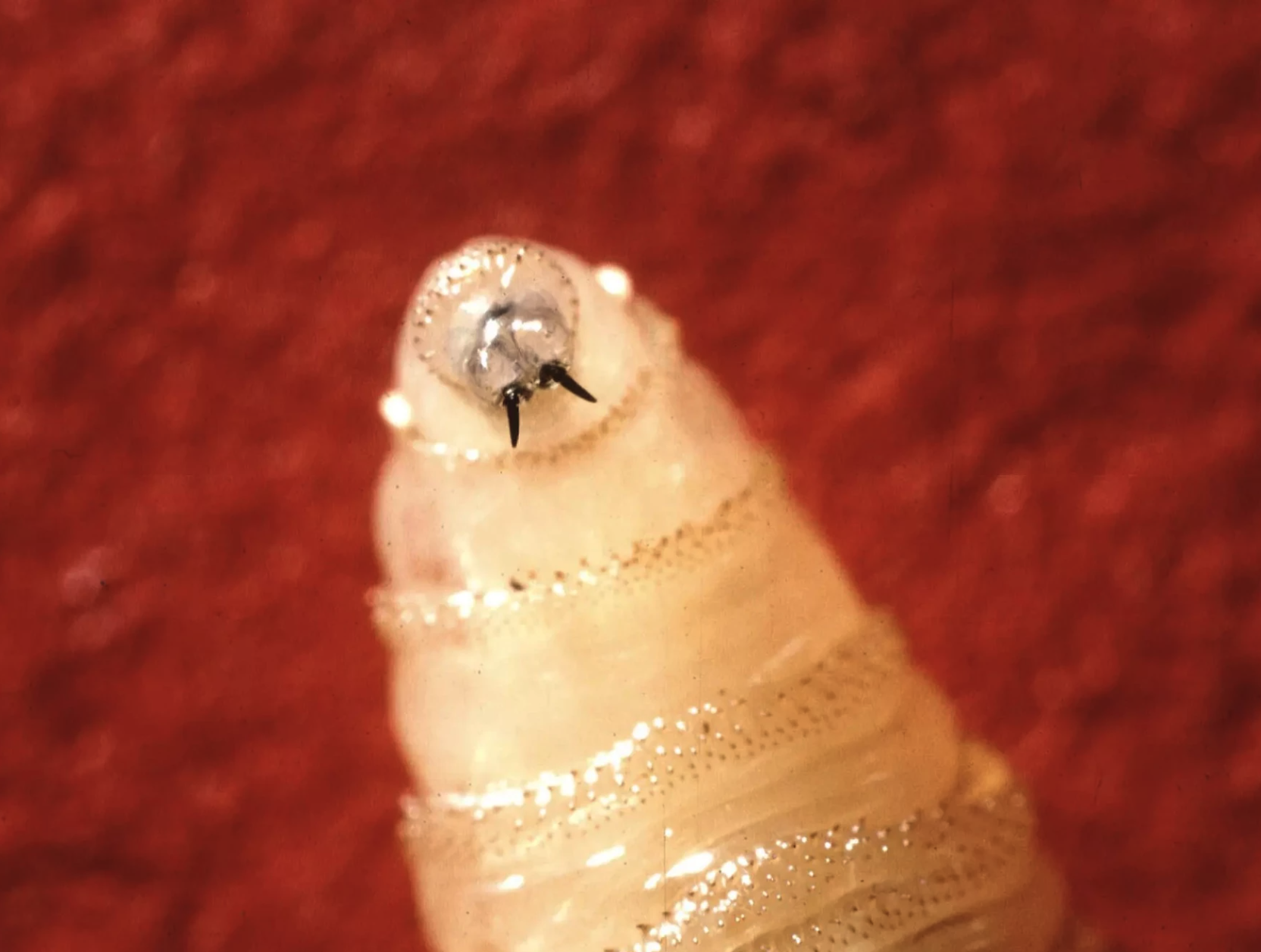
Screwworm myiasis (infestation) is caused by fly larvae (maggots) that feed on living tissue of any warm-blooded animal. Horses, cattle, wildlife, pets and occasionally people could all be affected, which means rapid detection and response are essential. The larvae are deposited on wounds or superficial body cavities such as the nose and sheath of horses, where they feed and grow. Untreated wounds often develop multiple infestations which are more likely to kill the animal.
How serious of a threat is this parasitic fly?
Widespread screwworm infestation could have serious consequences for animal health, agriculture productivity and the national economy. A widespread outbreak will disrupt livestock movement and trade, increase veterinary and surveillance costs and place major burdens on producers, animal health officials and event organizers. Early detection and response is critical to stop the spread.
What can a horse owner do to protect their horses?
Horse owners can protect their horses from screwworm by checking daily for any wounds, drainage, foul odor or unusual irritation, and by cleaning and protecting even minor cuts as soon as they are found to reduce the opportunities for the screwworm fly.
Consistent fly control, good stable hygiene and careful monitoring after injuries or surgery can help reduce risk, since screwworm flies are attracted to open wounds and body openings. If a horse develops a wound that worsens quickly, has a bad smell, or contains visible maggots, the owner should contact a veterinarian immediately so the horse can be evaluated, treated and reported if needed.
How will this screwworm detection in the United States impact equestrian sports?
Federal and state animal health officials will dictate the procedures around screwworm cases. Organizers and participants to be aware of and use the guidance of their related discipline associations and governing bodies such as the United State Equestrian Federation.
Further, competitors need to check their home state and destination state animal health official webpages for any movement requirements.
Horses infected with screwworm or horses in a geographic area with screwworm present are likely to be placed under quarantine. State animal health officials will have the discretion to implement movement restrictions in these situations. States may restrict equine movement and activities such as equestrian events in a geographic area. As this is a recent incursion, the state and federal animal health officials are finalizing the protocols for responding to screwworm incursion. If you live in or are traveling to a state where screwworm has been reported, please visit the website of the relevant state veterinarian for the latest information on screwworm response and prevention.
What is the AHC doing to prepare for a potential screwworm incursion?
AHC is working closely with industry partners and has built a webpage dedicated to screwworm updates. We will also be building a link to all state animal health officials to help you understand movement requirements in your area.
Click here to find out more and follow AHP Updates on the Screwworm.
With questions or concerns please reach out to Emily Stearns, AHC Health, Welfare, and Regulatory Affairs Liaison at info@horsecouncil.org
Return to the June 9 issue of Wire to Wire