BY STEVE KOCH
TALLAHASSEE, FL – Representatives of Florida’s Thoroughbred industry presented unified opposition to CS/HB 881 before the House Commerce Committee yesterday. The hearing followed a strike-all amendment released Monday night that eliminated the January 30 committee substitute’s training center provisions, void permit language, and three-year notice requirements – effectively proposing immediate decoupling.
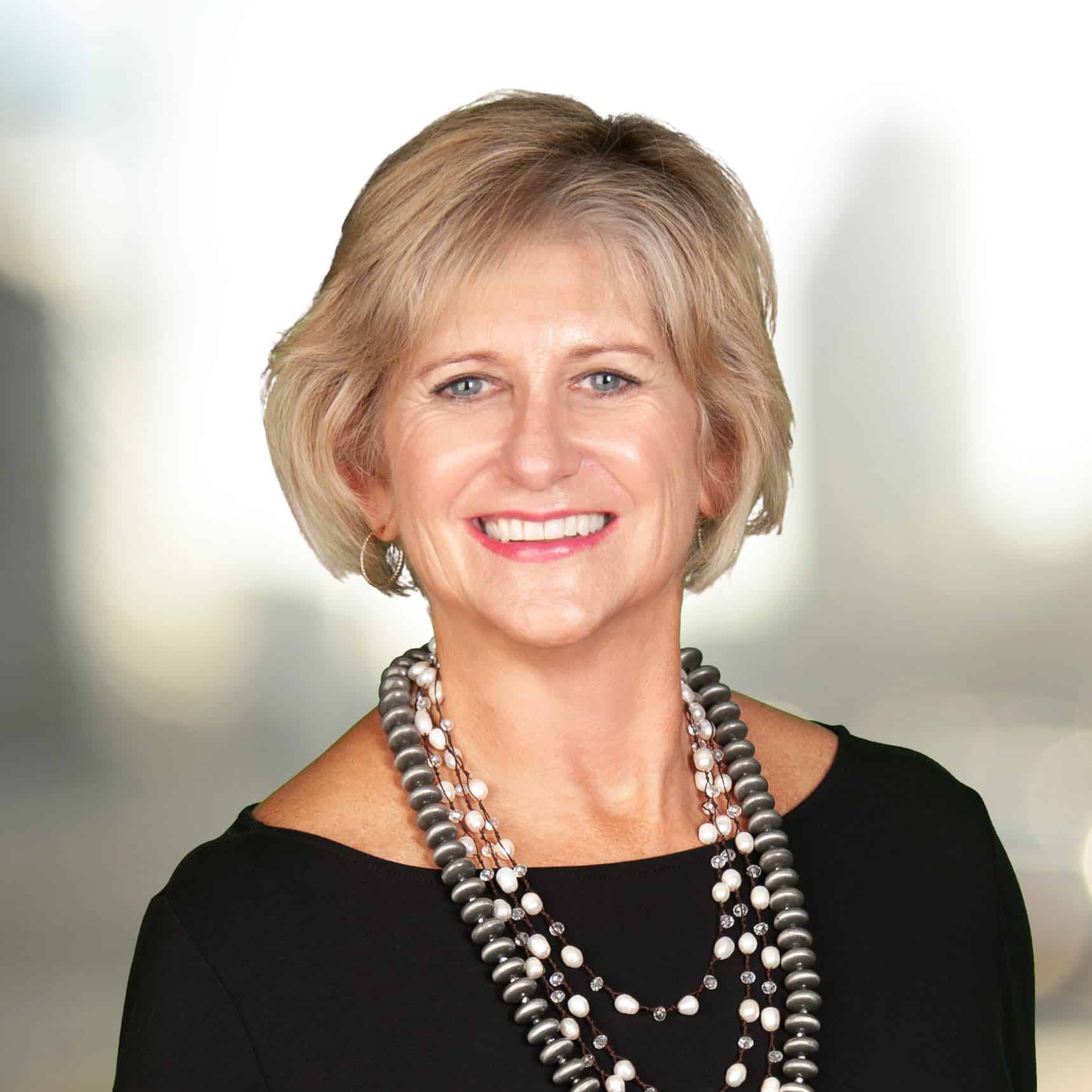
FTBOA President Valerie Dailey
FTBOA President Valerie Dailey, a breeder, owner, and real estate professional, emphasized the ripple effects of live racing on Florida communities. “When it succeeds, entire communities succeed. When it fails, the impact ripples far beyond the track,” she said, citing jobs in hospitality, veterinary services, feed and hay supply, trucking, construction, and small businesses.
But opposition to this bill doesn’t mean opposition to change. “The FTBOA and our partners are not opposed to modernization,” Dailey said. “In fact, we are ready to modernize Chapter 550 [Florida state pari-mutuel statutes] responsibly – by recognizing today’s wagering realities, capturing all wagering on Florida races, and preserving accountability and local control. But, CS/HB 881 is not that path.”
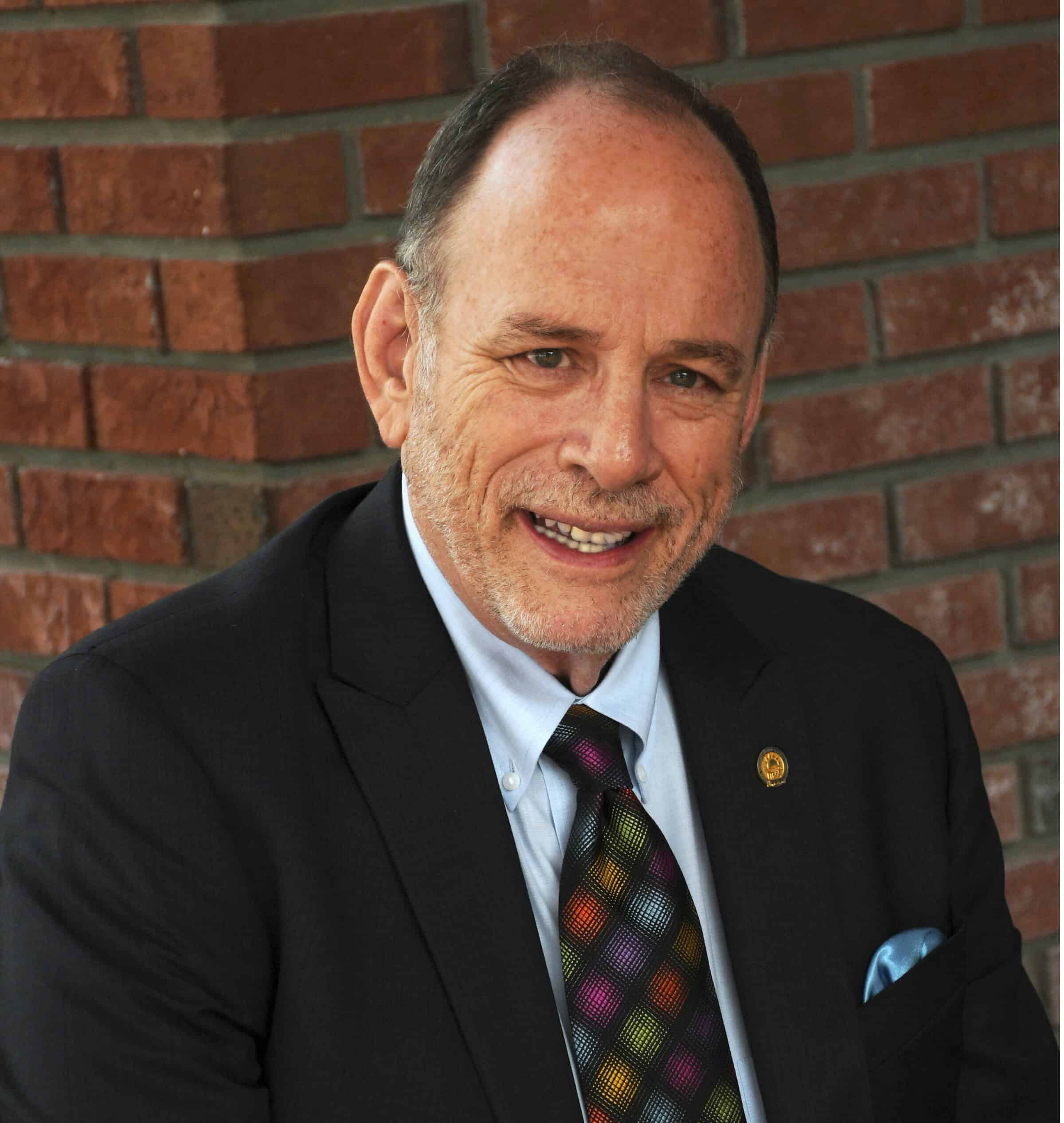
FTBOA CEO Lonny Powell – ©Serita Hult
FTBOA CEO Lonny Powell told the committee this marks his twelfth appearance in fourteen years to oppose decoupling. He noted that leadership from the Tampa Bay Horsemen, Miami Horsemen, Ocala Breeders’ Sales, and the FTBOA met the day before the hearing and collectively concluded: “This bill is still decoupling. And we collectively and united oppose it.”
Powell called the legislation “a racetrack bill, not a Thoroughbred industry bill” – the tracks’ exit strategy. It lets them depart while owners, trainers, breeders, and the state pay the tab, with money flowing to a Toronto-based Canadian company. “If this [bill] was the Super Bowl,” he added, “the score would be 55-0.”
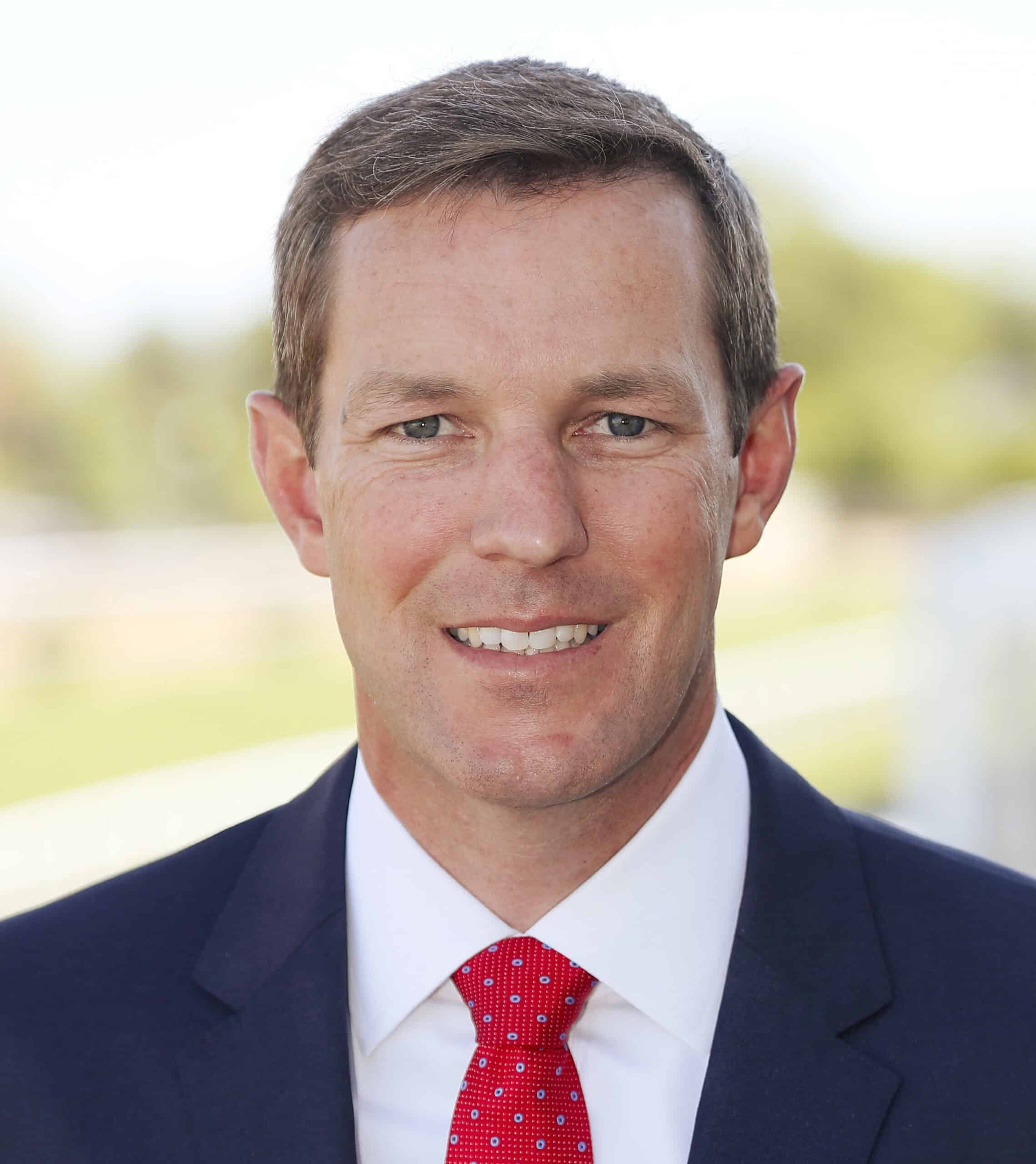
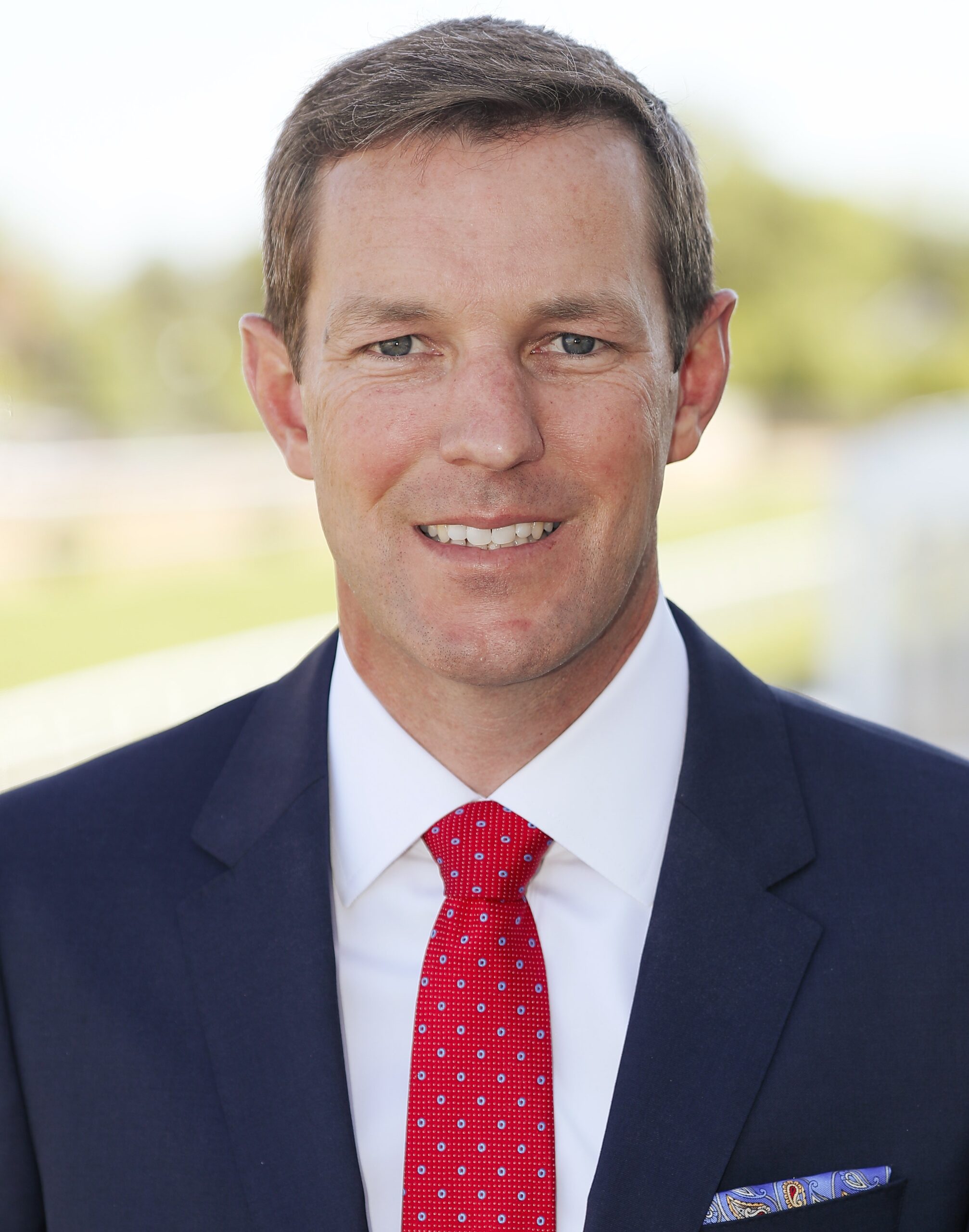
FTBOA Administrative Vice President Steve Koch
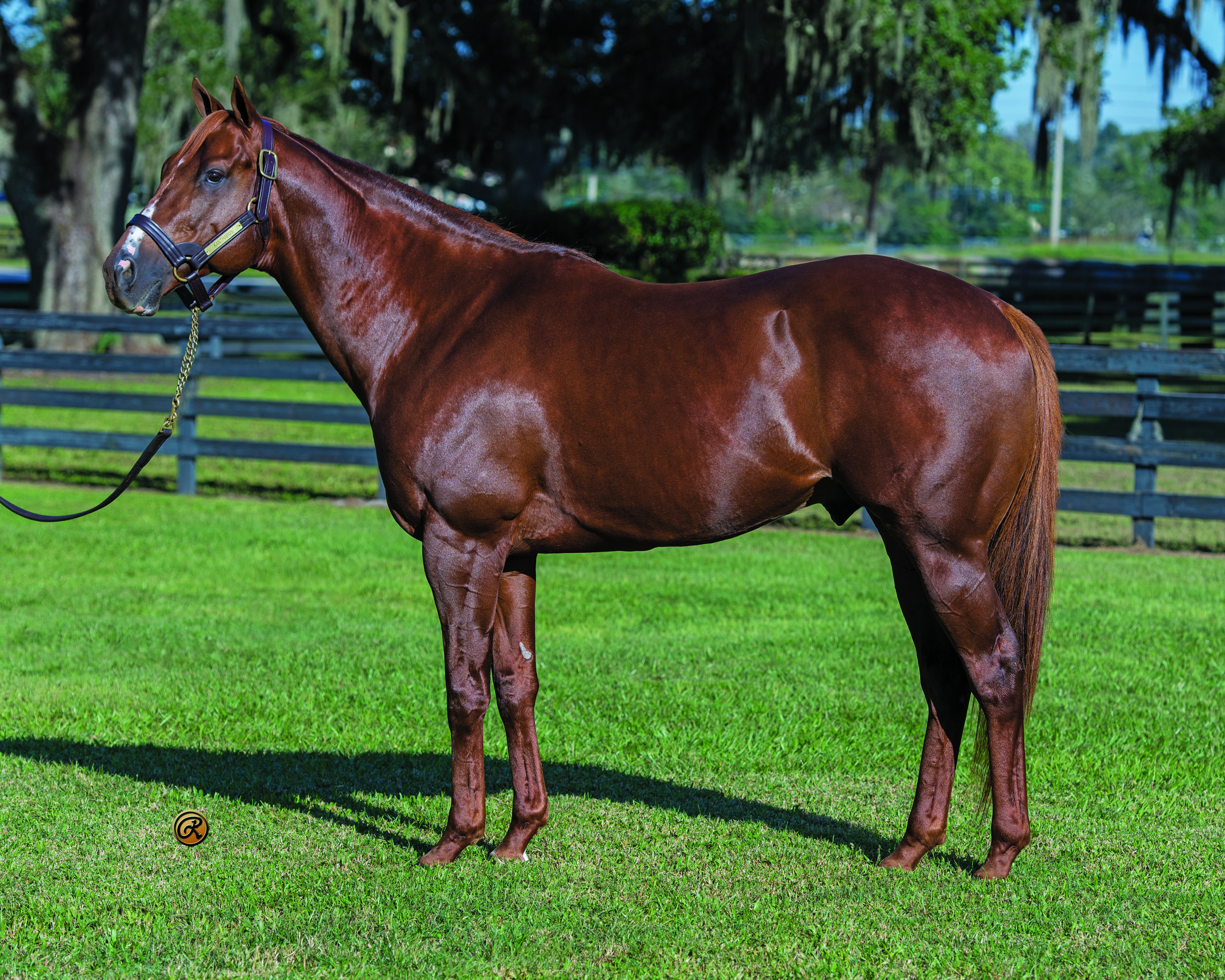
Steve Koch, FTBOA Administrative Vice President, presented data demonstrating Florida’s national prominence. In 2025, Florida breeders produced 82 open and graded stakes wins – nearly three times the output of the next closest regional statebred program. He noted that Florida-bred Nearly won the Grade 3 Holy Bull Stakes at Gulfstream Park the previous weekend and is now a major contender for the 2026 Kentucky Derby.
“This is not a bill responding to an industry in decline,” Koch told the committee. “This is a bill meant to manufacture that decline.”
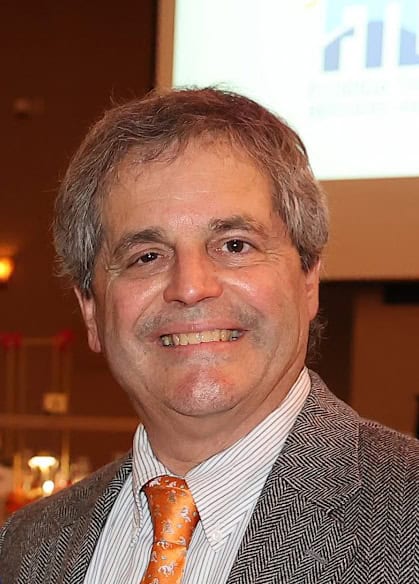
OBS President Tom Ventura – ©H.H. Photography
Tom Ventura, President of Ocala Breeders’ Sales Company, reinforced the economic stakes. OBS has sold over $2 billion worth of horses in the last fifteen years, with much of that capital coming from out of state and out of the country into Florida.
Ventura reminded the committee that Gulfstream Park fully supported the 2005 slots bill, which included racing and funding requirements specific to thoroughbred permitholders. “Now is the time to put the notion of decoupling to bed,” he said. “A stand-alone casino without live racing is not additive to the economy, but a negative, and inflicts harm to a multi-billion dollar Thoroughbred industry.”
Powell reinforced that the FTBOA is developing an alternative solution centered on the industry’s existing permit authorized for Marion County. “We have engaged outside expertise,” he said. “If it can’t work [in the Horse Capital of the World®], it can’t work anywhere.”
No testimony was offered in support of the bill.
FTBOA 2026: No to Decoupling (Updates)
Return to the February 5 issue of Wire to Wire