
BY STEVE KOCH
Florida Thoroughbred Breeders’ and Owners’ Association CEO Lonny Powell and Administrative Vice President Steve Koch testified before the House Industries & Professional Activities Subcommittee on Jan. 14, representing the unified opposition of Florida’s horsemen to HB 881.
Powell told legislators that FTBOA was speaking not only for its own membership but for a coalition of all Florida horsemen’s organizations that met earlier in the week and voted unanimously to oppose the bill.
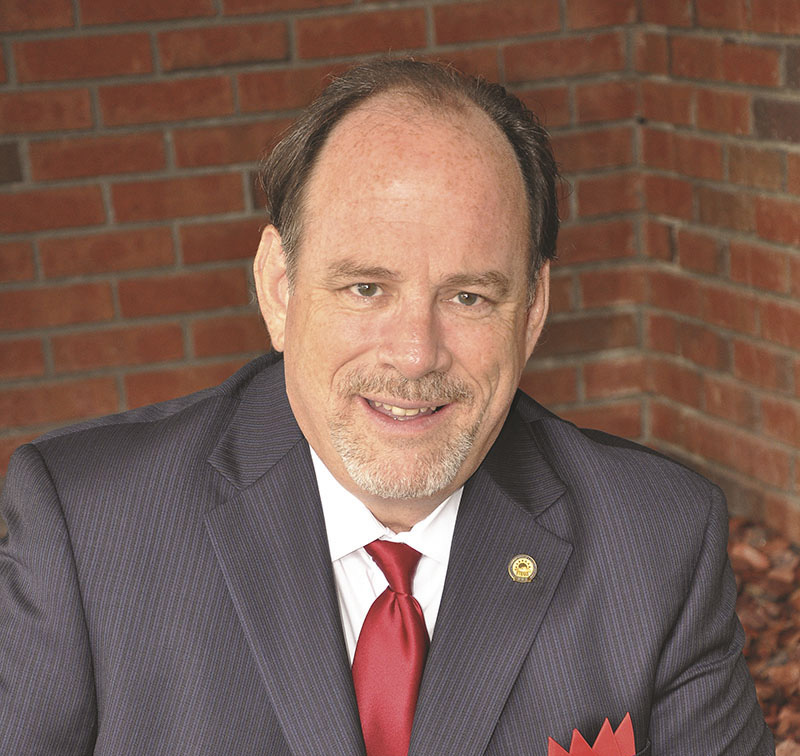
Lonny Powell – ©Serita Hult
“Not only do I speak for my organization, but we all had a meeting of the leadership of all the horsemen’s organizations,” Powell said. “And we all, under consensus, unanimously on Monday evening, stood to oppose this bill.”
Powell was direct about what decoupling represents: “Decoupling is just simply not being committed to live racing. So, anybody asking, can the tracks just stop [racing]? Absolutely. And the revenue share that used to go to the horse people gets kept by the racetracks. It’s a convenient expense save.”
He warned legislators about what full decoupling could mean for Gulfstream Park specifically: “You become the first freestanding non-tribal casino in Miami.”
Powell challenged what he called “the permit confusion side of the bill”—provisions that appear to offer alternative paths for racing to continue but that he characterized as illusory.
“It’s an attempt to toss out lots of shining star options. However, they’re all extremely speculative,” Powell said. “They’re possibilities, at least in print. But does anybody really know? Especially as we try to look at the wording, which is not clear. Are these certain ‘options’; are these even realistic or even possible?”
Powell questioned whether alternatives mentioned in the bill are economically viable without the gaming revenue that currently supports racing.
“If it doesn’t get the Gulfstream slots money, it’s going to go broke,” he said. “That’s the key to this whole thing that’s being missed.”
He reminded legislators that the FTBOA took their feedback from last session seriously and has been working toward constructive solutions.
“We heard you loud and clear last year. We didn’t want to just come here with opposition. We wanted to come up with solutions,” Powell said. “We have the only [remaining racing] permit that exists right now, that was passed by [the legislature] in 2011. It’s a thoroughbred permit based in the Horse Capital of the World, Marion County. We’ve come forward publicly after the last session and said, we can’t do this forever in terms of just keep opposing, opposing and opposing without solutions. We publicly launched our efforts to [activate racing as enabled by the permit]. We’ve been working on it hard.”
Powell argued that the bill’s timeline and permits confusion undermines those efforts.
“This bill takes away that all. The notice period doesn’t give us time, and none of these other options mean anything until reality sets in.”
Koch Presents Industry Data
Koch addressed the committee with economic data that had been requested during earlier testimony, then pivoted to outline what the legislation puts at risk.
“A question was asked about how much is wagered on horse races in Florida,” Koch said. “The live races at Gulfstream Park in 2025 handled $1.33 billion, and all of Florida annually handles about $1.7 billion [on live races], plus an uncounted amount of intertrack and national [simulcast] wagering.”
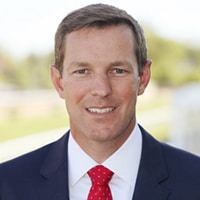
Steve Koch – File Photo
Koch framed the bill as a threat to one of Florida’s signature agricultural exports.
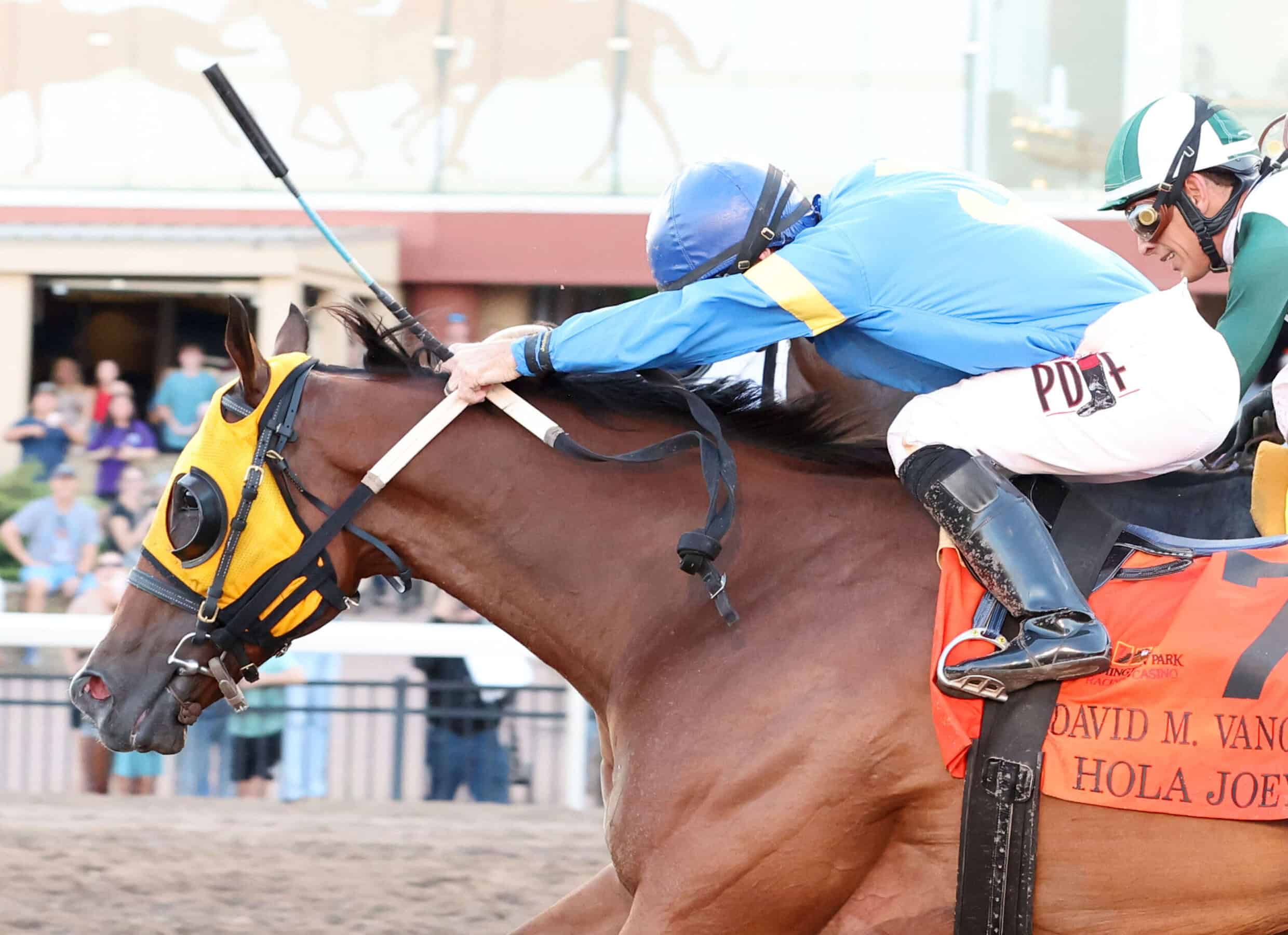
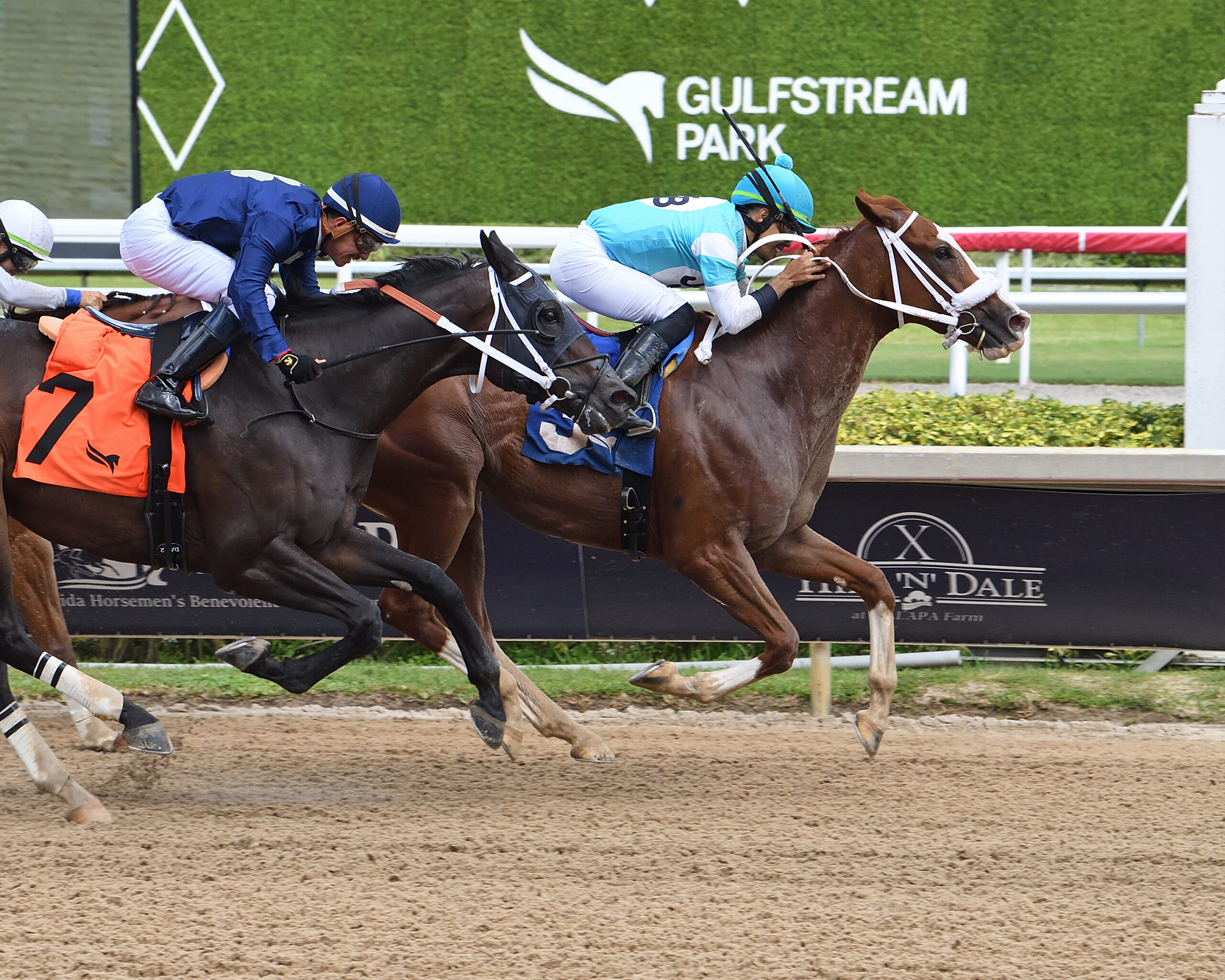
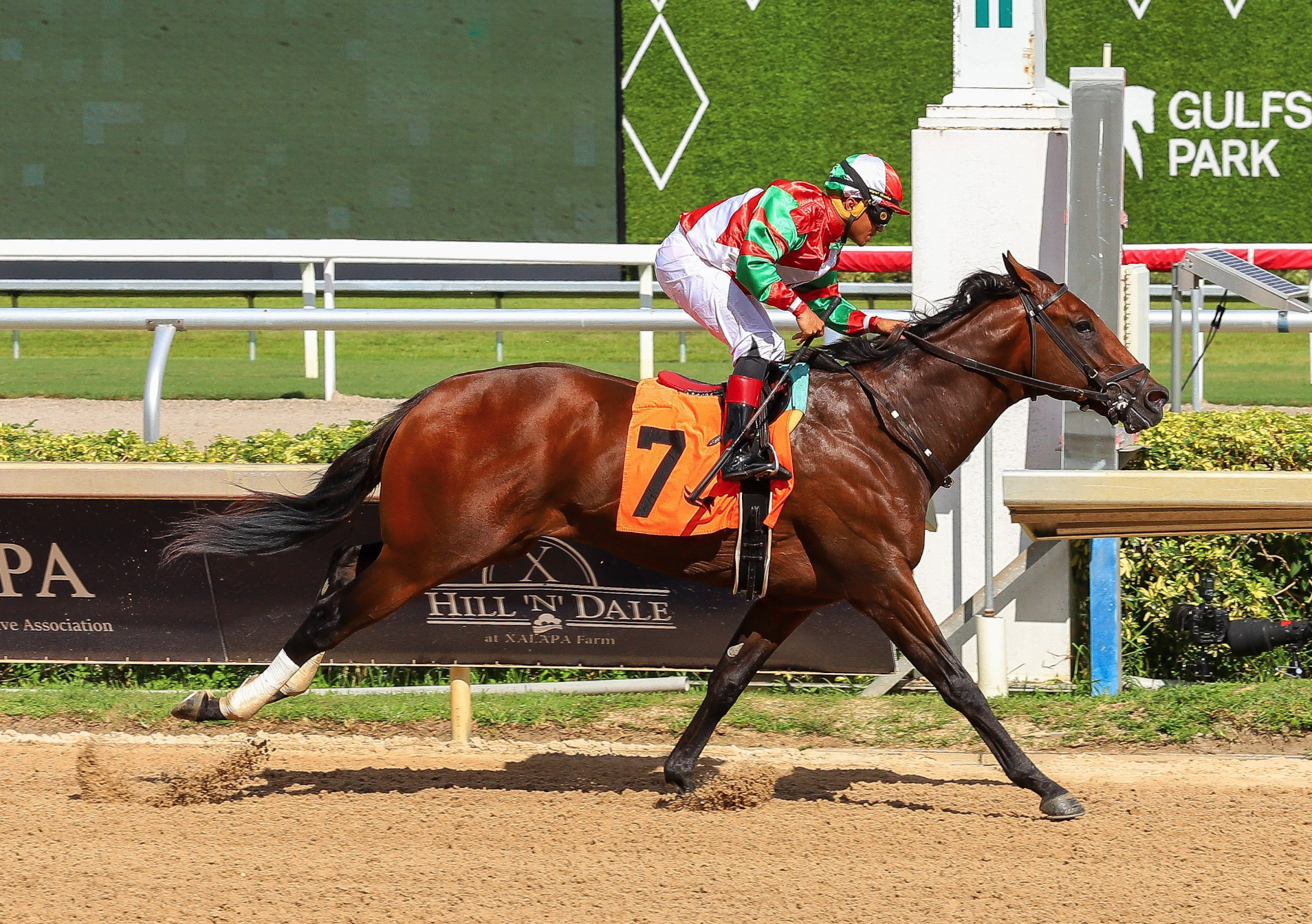
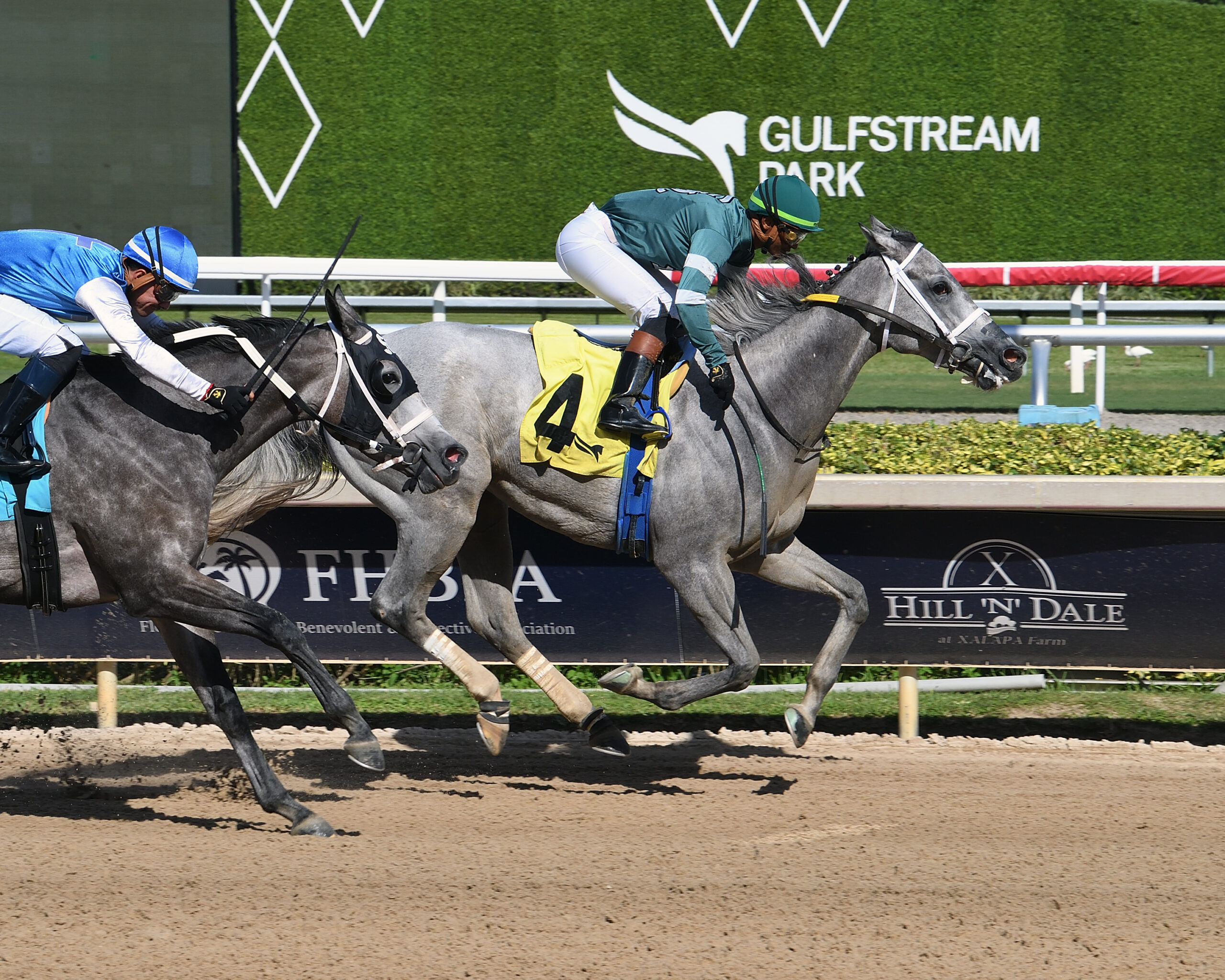
“This bill puts at risk a major agricultural product in Florida,” Koch said. “Florida-breds are the nation’s most successful regional breeding program, and we prove it on the national stage year after year.”
He presented the metrics that demonstrate Florida’s competitive position: “In 2025, Florida-breds won 82 open and graded stakes. Those are wins at the very highest echelon of the national and global industry and that rate is nearly triple our nearest other state-bred competitors in the U.S.
“Our horses perennially rank first among all states outside of Kentucky in wins and starts. We are the second-leading regional producer of national racetrack earnings, which is the ultimate benchmark.”
He highlighted Florida’s traditional strength in developing young racehorses. “Ready-to-race 2-year-olds, our breeders’ finished product, have always been Florida’s specialty. Our gross sales of 2-year-olds annually rank second or third in the country. Two-year-old average values have grown 65 percent over five years, and that’s while facing repeated decoupling threats.”
Koch warned that the ongoing legislative uncertainty is already beginning to take a toll on the industry’s long-term prospects.
“Uncertainty as provided in this bill throttles production,” Koch said. “When breeders face existential legislation year after year, long-term capital investment will become irrational.”
He concluded with a direct challenge to the premise underlying the legislation: “This bill does not respond to an industry in decline. It actually manufactures that decline. This bill would permanently deny Florida a major agricultural export product that supports an industry of $3.2 billion in total annual economic impact and 33,500 jobs.”
The Path Forward
The bill now moves to the House Commerce Committee. A companion bill, SB 1564, has been filed in the Florida Senate but has not yet been scheduled for committee consideration.
The FTBOA and its allied organizations will continue advocating against the legislation as it proceeds through the process. Similar legislation was defeated in the Senate during the 2025 session after passing the full House.
“The bill has a long path ahead and we will continue making the case for Florida’s Thoroughbred industry at every opportunity,” Powell said following the hearing.
Return to the January 15 issue of Wire to Wire