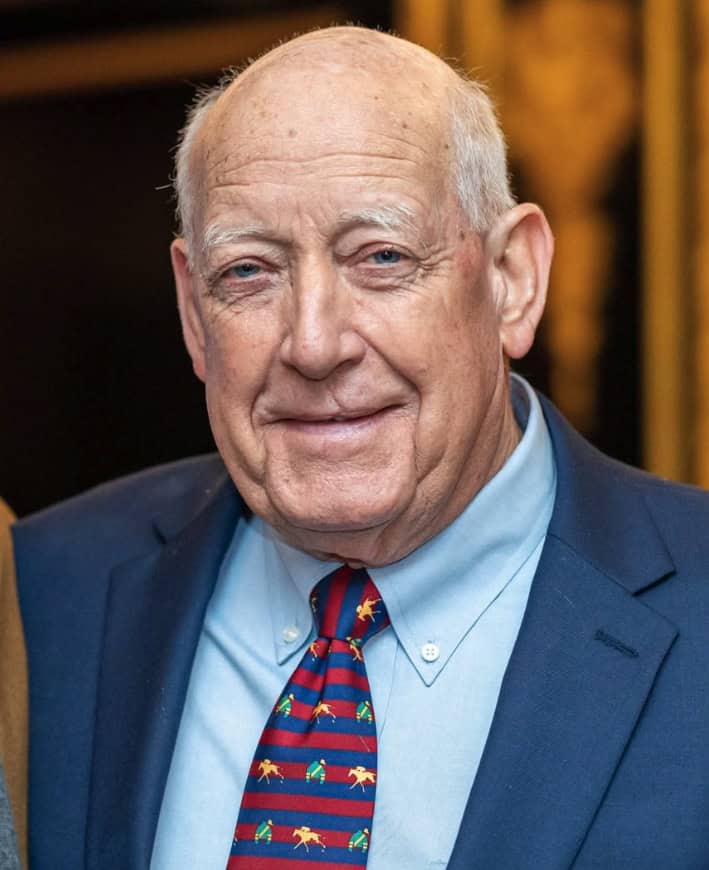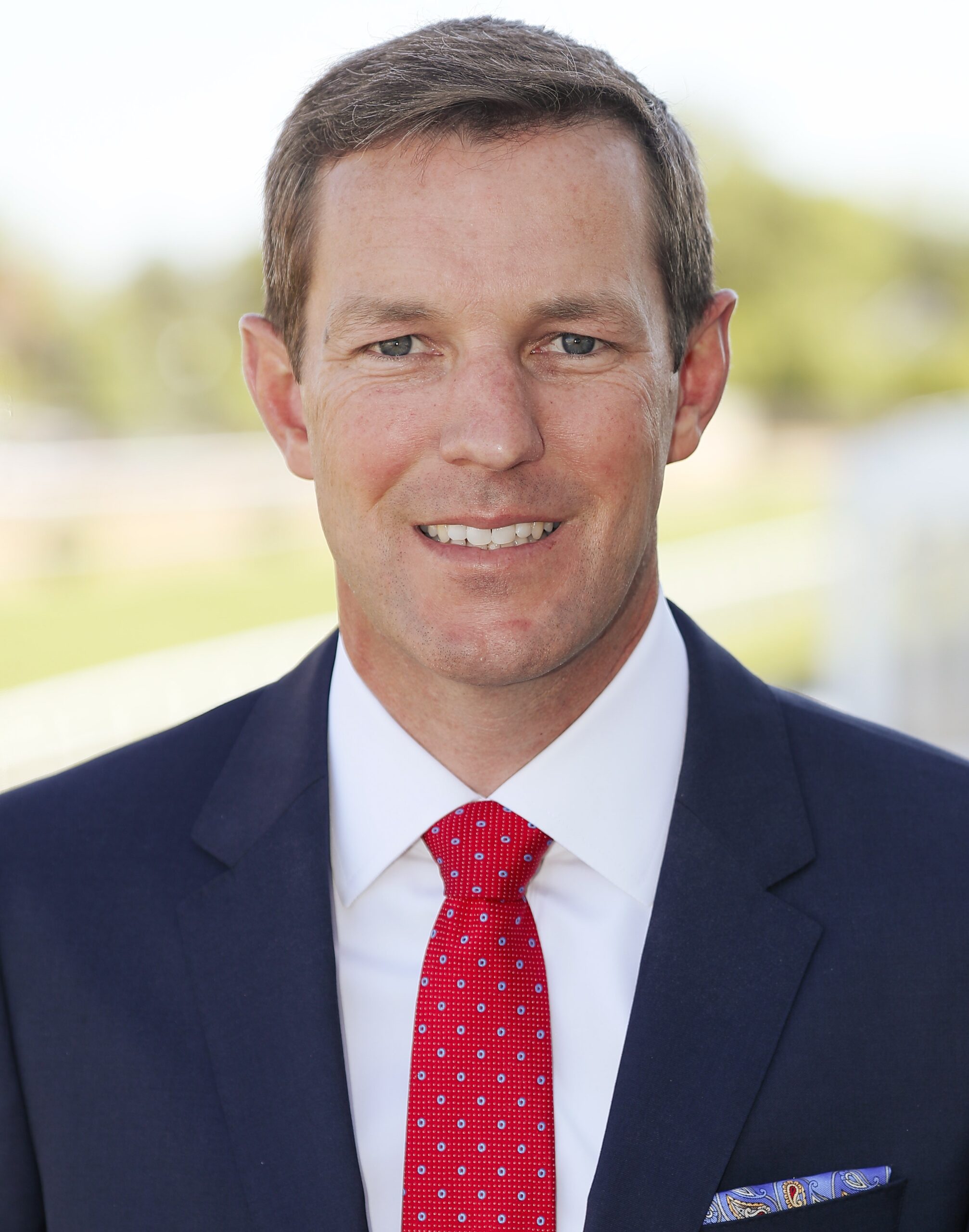
LEXINGTON, KY— Florida Thoroughbred Breeders’ and Owners’ Association Administrative Vice President Steve Koch was back on familiar ground Monday, October 19, when he addressed the Thoroughbred Owners and Breeders Association Pedigree & Conformation Clinic at Fasig-Tipton’s Newton Paddocks in Lexington. The daylong clinic offered owners and breeders a practical education in buying and breeding: from yearling sales prep and the veterinarian’s role at auction to pedigrees, conformation, genetics and nicking.
Koch’s midday session, “Florida Breeding and Racing,” brought the Florida perspective to a room full of Kentucky horsemen. Raised as a horseman in the Bluegrass before building a career that led to Ocala, Koch used his 15 minutes to cover Florida’s training-center backbone, its nation-leading regional breeding program, its competitive incentives, FTBOA’s Tallahassee defense of live Thoroughbred racing, and the association’s plans for a new racetrack in Ocala.
His remarks follow:
Good afternoon. It’s good to be home.
I should say that plainly — home — because I’m about to spend fifteen minutes telling a Lexington, Kentucky, audience about Florida. I was raised right down the road in Paris, cut my teeth as a horseman in the Bluegrass, and I still feel at home every time I drive in on the Paris Pike. Nowadays, I make my home and living in Ocala, Florida. So I love both places.
In my oversized back-home Kentucky family, we don’t bring up three topics at Thanksgiving dinner: politics, religion, and where is the Horse Capital of the World®. The first two can get heated. The third one ends with me sleeping in the barn.
So let me put it diplomatically. Lexington and Ocala share significant mutual interests in the equine sector, a signature agricultural industry for both states. We are both global epicenters, in our own ways, of equine breeding, sporting and recreation, and we should even consider ourselves partners in our respective global impacts.
That partnership is real. An estimated 75 percent of America’s 2-year-olds pass through Ocala, and most of them were foaled in the Bluegrass.
We remain, as ever, friends in a thriving global equine industry. So, let me tell you about the Florida side of the family.
Ocala horse country looks a lot like home. The hills roll a little less, but the board fences, the green paddocks and the live oaks would make any horseman and Kentuckian feel welcome. The big difference is the weather. January in Ocala is a great time to leg-up babies, and our horses train outdoors 12 months a year.
If you want to see what we do best, pull up Ocala on Google Maps and zoom out. You’ll find training ovals dotted everywhere. Hundreds of farms have their own tracks. That is our specialty and our most notable contribution to the national industry. We take young horses and make them racehorses.
That matters for the future, too. A place built around training centers is a natural home for a racetrack, and we really do expect Ocala to become a racing center in its own right… someday.
We also breed a pretty good horse. Among the regional breeding programs, Florida is the leading producer of open stakes winners and graded stakes winners nationally, more than all the other regional programs combined.
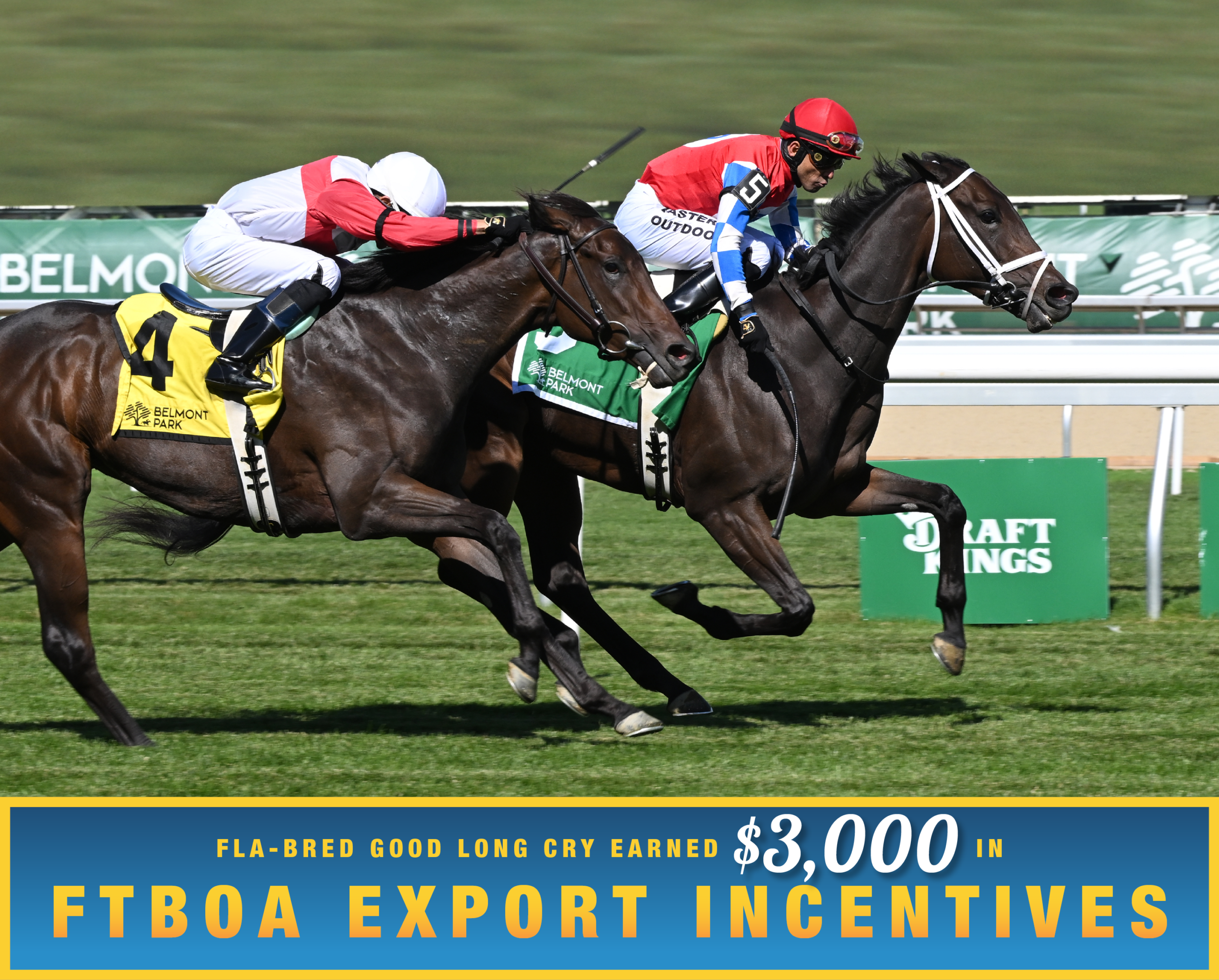
And the money for breeders and owners might surprise you. Add up Florida-bred purse and owner awards at the racetracks, routine breeder and stallion awards, and our export incentives, and we are plenty competitive. Florida is one of the very few states paying breeder awards for wins out of state. So a Florida-bred can run right here at Keeneland and still send money home to its breeder.
And that support starts in Tallahassee. Our state capital is one of the most supportive in the nation for horse racing. About three years ago, Florida began investing more than $35 million per year into our purses, capital improvements and incentives. That includes several million this year newly aimed at Florida-bred purses, and it’s working. Florida-bred participation and earnings are up at both of our racetracks.
Now, all of you have read the decoupling headlines out of Florida, so let me address that directly.
When slot machines came to Florida racetracks in 2005, the FTBOA secured a simple rule in state law: no live racing, no casino. That’s called coupling, and it’s been our protective moat ever since.
Gaming operators have been trying to break it just as long. In 2021, the Legislature decoupled every other form of pari-mutuel in Florida, from greyhounds to harness racing, and live racing in those sports essentially disappeared. The FTBOA won the Thoroughbred exemption.
Since then, unfortunately, our racetracks have promoted decoupling the Thoroughbreds as well.
Here’s what I want this room to know: it didn’t pass. We built Florida’s protective framework — with the support of many — and we’ve turned back every attempt to tear it down.
Florida’s breeding industry depends on racing. But it does not depend on any one racetrack. Which brings me back to Ocala.
Florida has one Thoroughbred racing permit left, and it belongs to us.
The FTBOA, through Ocala Thoroughbred Racing, is working to build a new racetrack in Ocala, right in the middle of all those training ovals I mentioned.
There’s much to do, but very little we will say about it… yet. So all I can offer today is, stay tuned.
So here’s my ask. When you buy a yearling this fall, think about where it spends the winter. When you plan a mating, take a look at Florida’s incentives. And if you’d like to know more, find me afterward or visit FTBOA.com.
Kentucky and Florida have been doing business together for generations, and we’ll keep doing it for generations more.
Return to the October 20 issue of Wire to Wire